



























 By
By
Vaping has quickly progressed to a niche smoking alternative to a worldwide trend of consumers. Being promoted as more modern and convenient as well as less harmful than cigarettes, e-cigarettes are currently used by a vast number of adults and adolescents alike. Nevertheless, with their increasing popularity, scientific analysis has increased. The mechanisms of interaction with the body outside the respiratory system of inhaled vape aerosols are of growing interest to researchers.
In the last several years, researchers have found that vaping is capable of affecting biological mechanisms controlling cognitive functions, immunity, digestion, and emotionality. Specifically, researchers are also studying the impacts on the brain and the gastrointestinal tract, which are two organs that are closely connected via immune and neural connections. This new study is an indication that vaping can have systemic effects that should be taken seriously.
The University of California states that aerosol exposure to e-cigarettes even without nicotine changes the inflammatory signaling of the brain, heart, lungs, and colon.
How Vaping Interacts With the Brain
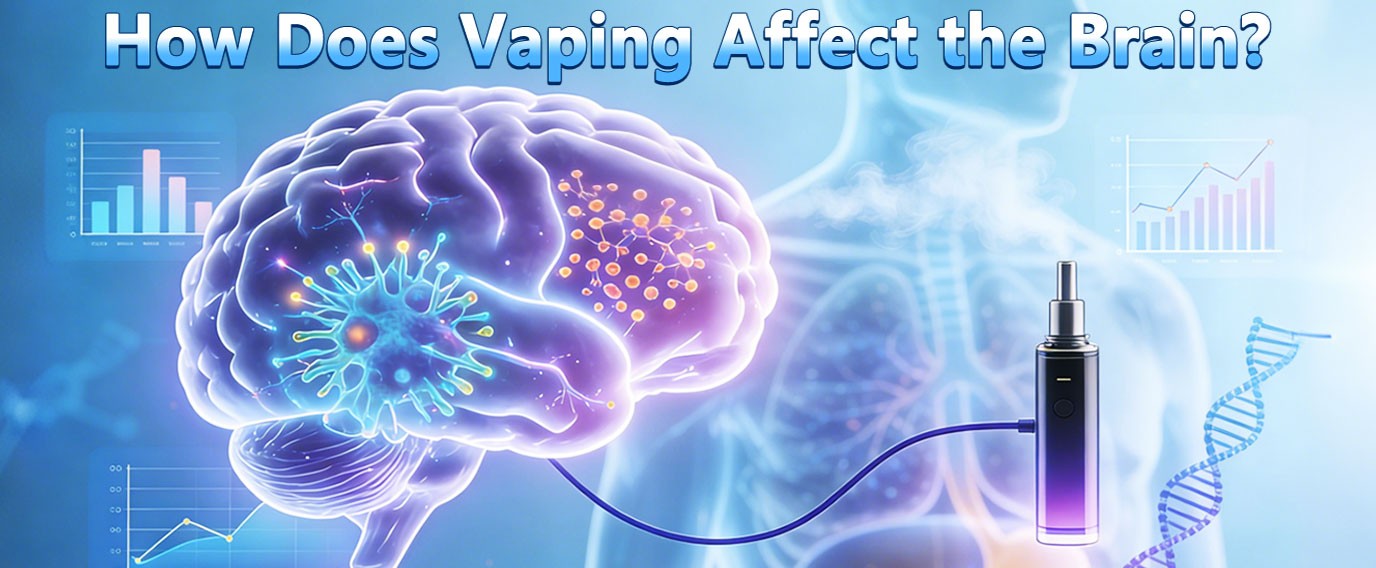
One of the main scientific questions that motivate the ongoing research is how does vaping affect the brain. It is no secret that nicotine is able to penetrate the blood brain barrier quickly and activate dopamine release, making the behavior addictive. Nicotine is however not the sole ingredient of the equation.
E-cigarette aerosols have also ultrafine particles, heavy metals and thermal degradation products which are formed during the heating of liquids. These chemicals have the potential to cause oxidative stress on neural tissue and impair the normal cell signaling. The laboratory results indicate that chronic exposure of vapor raises the indicators of inflammation and cellular stress in the brain tissue (eLife Sciences, 2021).
Neuroinflammatory Pathways
The evidence of vape neuroinflammation appears to be growing, which is one of the most alarming findings. Neuroinflammation is the state of the brain immune cells that are constantly activated and release inflammatory molecules that disrupt the normal functioning of the brain.
Animal models indicate that exposure to the e-cigarette vapor enhances the activity of cytokines in brain areas that deal with learning, memory, and emotional control. The changes are evident even in the removal of nicotine in vapor exposure, suggesting that the flavoring chemicals and solvents could be involved.
Chronic neuroinflammation is correlated over time with cognitive fatigue, lack of concentration, and susceptibility to neurological disorders.
Psychological and Emotional Effects
There has been growing interest in vaping and mental health as neurological research grows. Surveys of the population and surveys on health reveal that vape users commonly experience greater levels of anxiety, mood swings and disrupted sleep than non-users.
The nicotine changes the stress-response mechanisms, and inflammatory signals can disrupt the neurotransmitters (serotonin and dopamine). It is particularly susceptible to adolescents and young adults due to the fact that their brains are still developing, and they are more sensitive to the effects of chemicals and the development of an addiction (CDC, 2025).
Although causation is in the research phase, the linkage between vaping and psychological distress has become strong enough to attract the concern of the general population health.
The Gut–Brain Axis: Why the Gut Matters
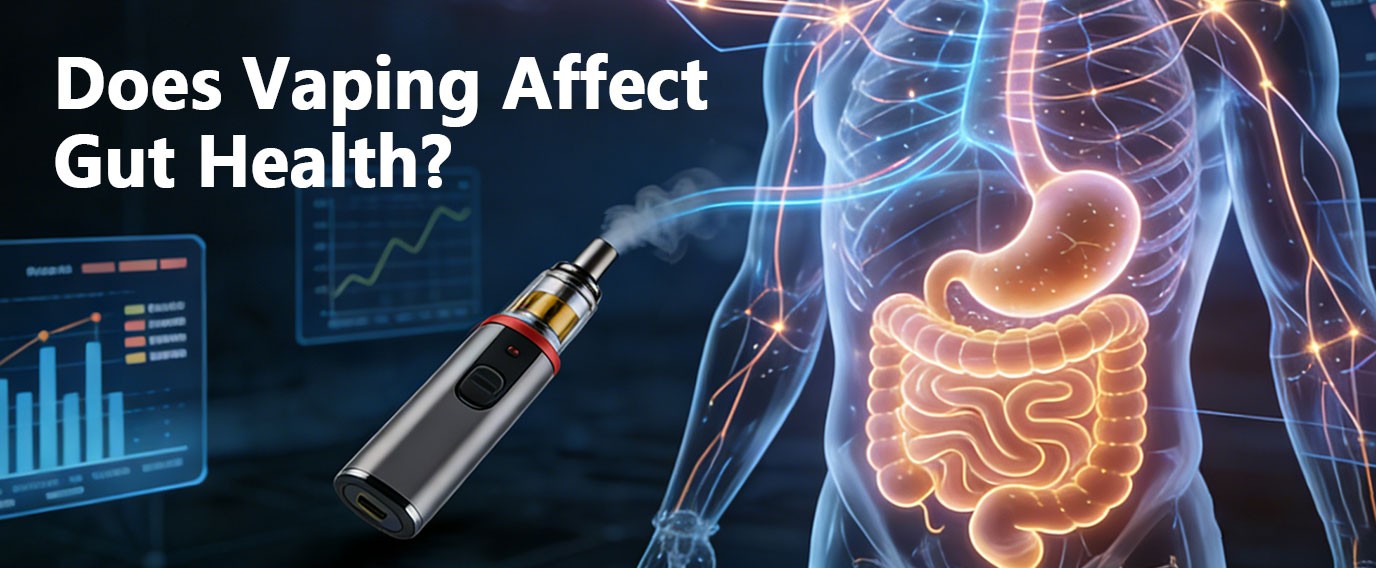
The gut is not just an organ of digestion. It contains trillions of microorganisms which control immunity, metabolism, and communication with the brain. The gut microbes are able to regulate mood, cognition and inflammatory balance through this two-way network also called the gut brain axis.
The effects of disturbance in the diversity of gut microbes can thus have far-reaching implications beyond digestion by itself (ScienceDirect, 2025).
Vaping and Microbial Balance
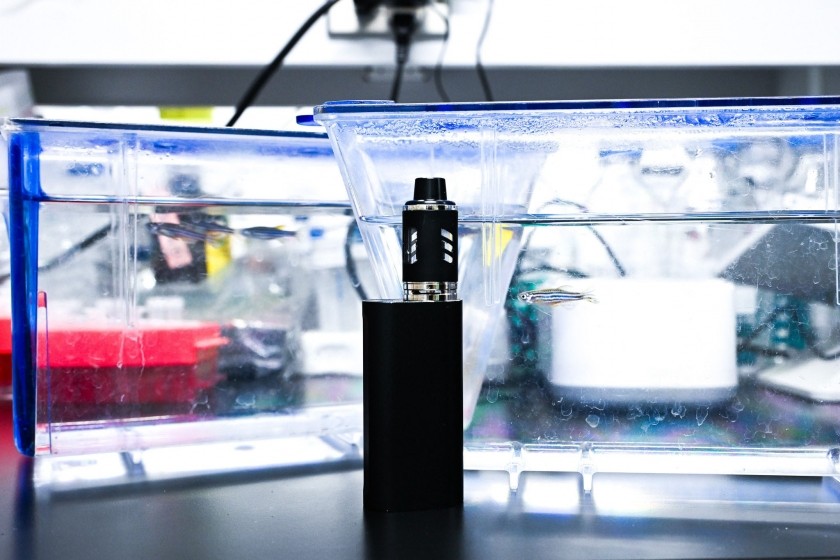
Recent studies have embarked on exposing the connection between vaping and the gut microbiome. A zebrafish study of 2026 showed that the exposure of microbial diversity and stability in the digestive tract of the fish were greatly affected by exposure to e-cigarette aerosols.
This study presented convincing facts of the relationship between vaping gut microbiome where the exposure to the vapors transformed the microbial networks and this affected the normal gut ecology. Interestingly, these changes in microbes were accompanied by changes in behavior, implying that there was communication between the gut and the brain systems (Medical Xpress, 2026).
Microbiome Disruption and Inflammation
The researchers who study the vaping effects gut microbiome patterns note that the beneficial microorganisms decrease, and the inflammatory species increase after the repeated exposure.
The vaporization of e-liquids generates aldehydes and reactive oxygen species, which lead to harm to the gut epithelial cells and a decrease in microbial resilience. This condition promotes inflammation and undermines immune protective mechanisms (EurekAlert, 2025).
Gut Barrier Integrity and Immune Activation
The question that is now being critically investigated is does vaping affect gut health structurally. There is evidence that vaping impairs the integrity of the intestinal barrier, which enhances gut-lining permeability.
Once this barrier is weakens, the bacterial fragments and toxins may spread into the blood stream and cause the immune system to activate all over the body. This mechanism facilitates the chronic low-grade inflammation, which is risky in the development of metabolism and neurological disorders.
Systemic Effects Through the Gut–Brain Axis
The relationship between vaping and gut health is particularly alarming when the inflammation goes outside of the digestive tract. The neuroinflammatory processes can be enhanced by the inflammatory molecules generated in the intestine and transported to the brain and the activation of immune cells in the brain.
Such a pathway system can be used to understand why gut disruption is becoming more and more closely associated with cognitive fog, emotional instability, and fatigue experienced by vape users.

Accessibility, Marketing, and Risk Perception
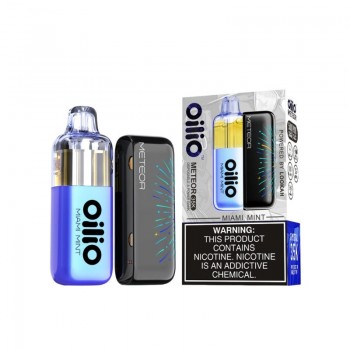
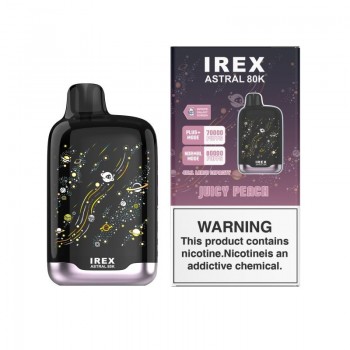
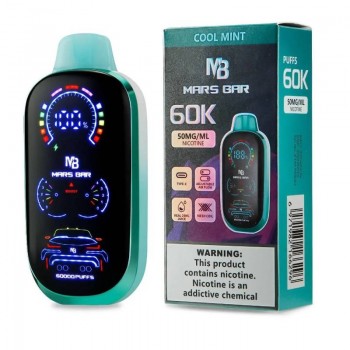
Although there is increasing scientific evidence, vaping products continue to be accessible on the best online vape store sites. The marketing strategies focus on convenience, assortment of flavors, smooth design, and usually romanticize biological dangers.
The convenience with which one can now buy disposable vapes online has led to greater experimentation especially among the teen and young adults. The health officials raise an awareness that they must take the right actions by being educated and that availability is not equal to being safe.
What Current Science Tells Us
Vaping is not biologically safe but may reduce the exposure of some toxins compared to the combustible cigarettes. The use of e-cigarettes has been found to be associated with neuroinflammation, dysfunction of the microbiome, loss of gut barrier, and immune dysregulation in other organ systems.
Consistency of animal, cellular and observational research findings alone warrant a precautionary action, especially in non-smoking and young people, even though there are still no available long-term human data.
FAQs
Is vaping harmful without nicotine?
Yes. Research suggests that even without nicotine, e-cigarette aerosols can trigger oxidative stress and inflammation in gut tissues and the brain.
Can gut microbes influence brain function?
Yes. Gut microbes are involved in producing neurotransmitters and immune signaling molecules that directly affect mood and cognitive processes.
Are vaping-related changes reversible?
Some microbial and inflammatory changes may improve after stopping vaping, but long-term outcomes depend on the duration and intensity of exposure.
Why are adolescents at higher risk?
Developing brains are more vulnerable to chemical exposure, addiction pathways, and inflammation-related signaling.
Is more research needed?
Yes. Large-scale human studies are still ongoing, but existing evidence already points to potential systemic risks associated with vaping.
According to Morevaping's blog of Vaping, Brain, and Gut: What Science Reveals, research suggests vaping may affect brain function and gut balance through the brain–gut axis.
--Morevaping Blog: https://morevaping.com/blogs/posts/vaping-brain-and-gut-what-science-reveals

























comments